

Hey there! I'm a supplier of Water To Water Heat Pump, and today I want to dig into a question that many hotel owners and managers often ask: Can a water to water heat pump be used in a hotel?
Let's start by getting a clear understanding of what a water to water heat pump is. In simple terms, a water to water heat pump transfers heat from one water source to another. It can extract heat from a low - temperature water source, like a lake or a well, and then transfer that heat to a higher - temperature water system, which can be used for heating in the hotel. Conversely, in the cooling season, it can remove heat from the hotel's water - based cooling system and release it into the external water source.
One of the biggest advantages of using a water to water heat pump in a hotel is energy efficiency. Hotels are large buildings with significant heating and cooling demands. Traditional heating and cooling systems, such as boilers and air - conditioning units, can consume a huge amount of energy. A water to water heat pump, on the other hand, uses the natural heat in water sources, which is a renewable and relatively stable energy source. This means that hotels can save a substantial amount of money on their energy bills. For example, a medium - sized hotel that switches from a traditional system to a water to water heat pump could potentially see a 30% - 50% reduction in energy costs over time.
Another great thing about water to water heat pumps is their environmental friendliness. As we all know, the hospitality industry is under increasing pressure to reduce its carbon footprint. By using a water to water heat pump, hotels can significantly lower their greenhouse gas emissions. Since these heat pumps rely on the heat already present in water, they don't burn fossil fuels like coal or natural gas. This helps hotels meet their sustainability goals and appeal to eco - conscious guests. In fact, many travelers today actively seek out hotels that are environmentally responsible, and having a water to water heat pump can be a great selling point.
When it comes to performance, water to water heat pumps are quite reliable. They can provide consistent heating and cooling throughout the year, regardless of the external weather conditions. In the winter, they can keep the hotel warm even when it's freezing outside, and in the summer, they can maintain a comfortable indoor temperature. Moreover, modern water to water heat pumps are equipped with advanced control systems that can adjust the heating and cooling output according to the actual needs of the hotel. This ensures that the system operates at its optimal level at all times.
Now, let's talk about the installation process. Installing a water to water heat pump in a hotel does require some planning and investment upfront. First of all, the hotel needs to have access to a suitable water source, such as a nearby lake, river, or well. The water source should have a sufficient flow rate and temperature range to support the operation of the heat pump. If there's no natural water source available, a closed - loop system can be installed, where water is circulated through a series of pipes buried underground. This may require some excavation work, but it's still a viable option for many hotels.
The installation also involves connecting the heat pump to the hotel's existing plumbing and HVAC systems. This is a technical job that should be done by experienced professionals. However, once the installation is complete, the long - term benefits far outweigh the initial costs.
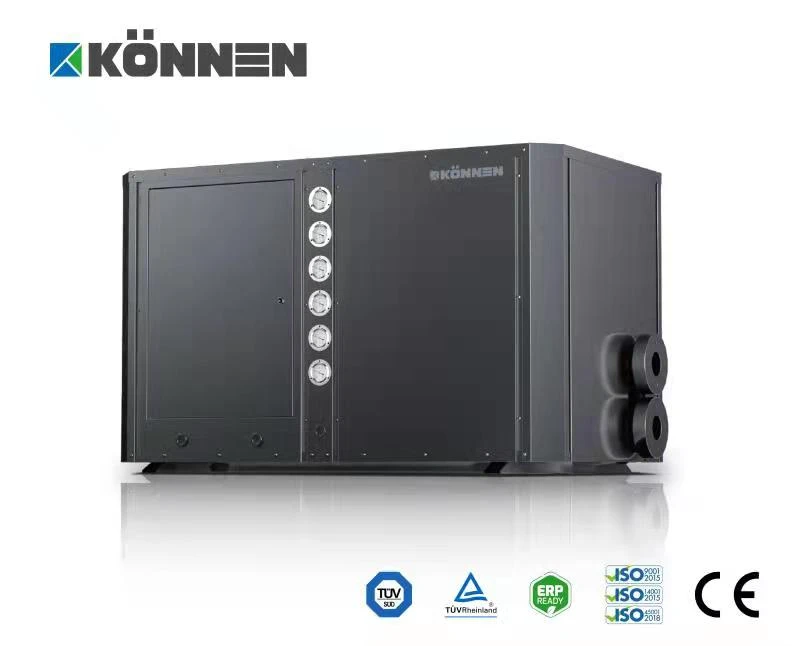
It's also worth mentioning that some water to water heat pumps, like the High Temperature Water Source Heat Pump, can be used to provide hot water for the hotel's showers, laundry, and other domestic uses. This means that hotels can have a single system that takes care of both space heating/cooling and hot water production, which simplifies the operation and maintenance of the hotel's infrastructure.
Of course, there are a few challenges that hotels might face when using water to water heat pumps. One of the main issues is the initial cost. As I mentioned earlier, the installation of a water to water heat pump can be expensive, especially if the hotel needs to drill a well or install a closed - loop system. However, there are often government incentives and rebates available for hotels that invest in energy - efficient technologies, which can help offset some of the costs.
Another challenge is the maintenance of the system. Water to water heat pumps need regular maintenance to ensure their optimal performance. This includes checking the water quality, cleaning the heat exchangers, and inspecting the pumps and valves. But don't worry too much about this. Most heat pump suppliers, including us, offer comprehensive maintenance services to keep the system running smoothly.
In conclusion, a water to water heat pump can definitely be used in a hotel, and it has many advantages. It offers energy savings, environmental benefits, reliable performance, and can enhance the hotel's overall appeal. If you're a hotel owner or manager considering upgrading your heating and cooling system, I highly recommend looking into water to water heat pumps.
If you're interested in learning more about our Water To Water Heat Pump products or want to discuss how they can be customized for your hotel, feel free to reach out. We're always happy to have a chat and help you make the best decision for your business.
References:

- "Energy - Efficient Technologies for the Hospitality Industry" - Journal of Sustainable Hospitality
- "The Future of Heating and Cooling in Commercial Buildings" - International Energy Agency