

Hey there! As a supplier of High Temperature Water Source Heat Pumps, I've been getting a lot of questions lately about the water quality requirements for these systems. So, I thought I'd take some time to break it down for you in a way that's easy to understand.
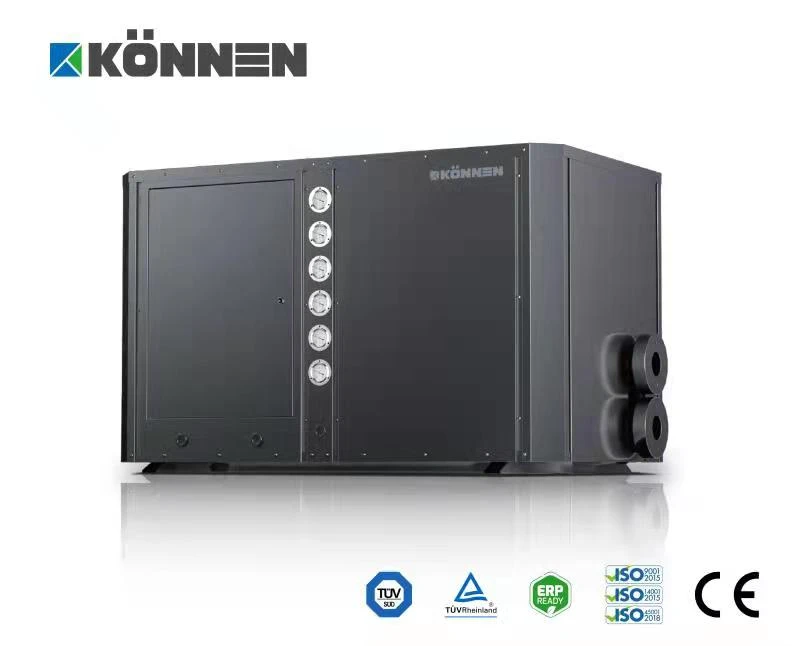
First off, let's talk about what a High Temperature Water Source Heat Pump is. It's a type of Water To Water Heat Pump that can produce hot water at higher temperatures compared to regular heat pumps. This makes it great for applications like industrial processes, large - scale heating systems, and commercial buildings where high - temperature water is needed. You can learn more about it on our High Temperature Water Source Heat Pump page.
Now, onto the water quality requirements. The water that goes into a high - temperature water source heat pump plays a crucial role in its performance and longevity. If the water quality is poor, it can lead to a whole bunch of problems, such as corrosion, scaling, and fouling.
1. pH Level
The pH level of the water is a measure of how acidic or basic it is. For a high - temperature water source heat pump, the ideal pH range is typically between 6.5 and 8.5. If the pH is too low (acidic), it can cause corrosion of the heat exchanger and other metal components in the system. Corrosion can lead to leaks, reduced efficiency, and eventually, the failure of the heat pump. On the other hand, if the pH is too high (basic), it can cause scaling. Scaling occurs when minerals in the water precipitate out and form a hard layer on the surfaces of the heat exchanger. This layer acts as an insulator, reducing the heat transfer efficiency of the system.
2. Total Dissolved Solids (TDS)
Total Dissolved Solids refer to the amount of inorganic and organic substances dissolved in the water. High levels of TDS can cause scaling and fouling in the heat pump. When the water is heated, the dissolved solids become more concentrated, and they can start to form deposits on the heat exchanger surfaces. This not only reduces the heat transfer efficiency but can also restrict the flow of water through the system. As a general rule, the TDS level in the water should be kept below 1000 ppm (parts per million). If the TDS level is higher, you might need to consider using a water treatment system, such as a reverse osmosis unit, to reduce the TDS.
3. Hardness
Water hardness is mainly caused by the presence of calcium and magnesium ions. Hard water can cause significant scaling in the heat pump, especially at high temperatures. The higher the temperature, the more likely the calcium and magnesium salts are to precipitate out of the water and form scale. To prevent scaling, the water hardness should be kept below 120 ppm (as calcium carbonate). If your water is hard, you can use a water softener to remove the calcium and magnesium ions.
4. Chloride and Sulfate Content
Chloride and sulfate ions can also cause problems in a high - temperature water source heat pump. High levels of chloride can accelerate corrosion, especially in stainless steel components. Sulfate ions can react with calcium ions in the water to form calcium sulfate scale. The chloride content should be kept below 250 ppm, and the sulfate content should be below 200 ppm.
5. Microorganisms
Microorganisms, such as bacteria and algae, can grow in the water and cause fouling in the heat pump. They can form biofilms on the heat exchanger surfaces, which can reduce the heat transfer efficiency and also provide a breeding ground for more bacteria. To prevent microbial growth, you can use biocides or ultraviolet (UV) disinfection systems. It's also important to keep the water circulating and to maintain proper water flow rates to prevent stagnant water, which is more likely to support microbial growth.
6. Iron and Manganese
Iron and manganese are common metals found in water. When present in high concentrations, they can cause staining and fouling in the heat pump. Iron can oxidize in the water and form iron oxide, which can clog the pipes and reduce the water flow. Manganese can also form deposits on the heat exchanger surfaces. The iron content should be kept below 0.3 ppm, and the manganese content should be below 0.05 ppm.
Why Water Quality Matters
You might be wondering why all these water quality requirements are so important. Well, here's the deal. A high - temperature water source heat pump is a complex and expensive piece of equipment. If the water quality is not up to par, it can lead to a lot of maintenance issues and premature failure of the system. For example, scaling can reduce the heat transfer efficiency of the heat exchanger, which means the heat pump has to work harder to produce the same amount of hot water. This not only increases energy consumption but also puts more stress on the system, leading to a shorter lifespan.
Corrosion can also cause leaks in the heat exchanger, which can result in the loss of refrigerant and damage to other components. And fouling from microorganisms can block the water flow and reduce the overall performance of the heat pump. By ensuring that the water quality meets the requirements, you can ensure that your high - temperature water source heat pump operates efficiently, reliably, and has a long service life.
How to Test and Treat Water
Testing the water quality is the first step in ensuring that it meets the requirements for your high - temperature water source heat pump. You can use water testing kits, which are available at most hardware stores, to test the pH, TDS, hardness, and other parameters. If you're not sure how to interpret the results or if you want a more comprehensive analysis, you can also send a water sample to a professional water testing laboratory.

Once you know the water quality, you can take appropriate measures to treat the water. As mentioned earlier, there are various water treatment systems available, such as water softeners, reverse osmosis units, UV disinfection systems, and biocides. The type of water treatment system you choose will depend on the specific water quality issues you're facing.
Conclusion
In conclusion, the water quality requirements for a high - temperature water source heat pump are quite strict, but they are essential for the proper operation and longevity of the system. By paying attention to the pH level, TDS, hardness, chloride and sulfate content, microorganisms, and iron and manganese levels, you can ensure that your heat pump runs smoothly and efficiently.
If you're in the market for a high - temperature water source heat pump or if you have any questions about water quality requirements, don't hesitate to reach out. We're here to help you make the right choice and ensure that your heat pump performs at its best. Whether you're a small business owner or a large industrial facility, we have the expertise and the products to meet your needs.
So, if you're interested in learning more about our High Temperature Water Source Heat Pump or if you want to discuss your specific water quality and heat pump requirements, just get in touch. We're always happy to have a chat and help you find the perfect solution for your heating needs.
References
- ASHRAE Handbook - HVAC Systems and Equipment
- Water Quality Association (WQA) Guidelines
- Manufacturer's manuals for high - temperature water source heat pumps