

As a supplier of High Temperature Water Source Heat Pumps, I've had the privilege of witnessing firsthand how these remarkable systems perform across different seasons. In this blog, I'll delve into the intricacies of their seasonal performance, exploring the unique challenges and advantages they offer throughout the year.
Spring: A Season of Transition
Spring is a time of renewal and change, and so is the performance of high temperature water source heat pumps. As the weather begins to warm up, the demand for heating decreases, but the need for cooling may not have fully kicked in yet. This transitional period can be a sweet spot for these heat pumps, as they can operate in a more balanced mode.
During spring, the ambient temperature is relatively mild, which means the heat pump doesn't have to work as hard to maintain a comfortable indoor temperature. The water source, whether it's a lake, river, or well, also starts to warm up, providing a more favorable heat exchange environment. This results in improved energy efficiency and lower operating costs.
One of the key benefits of a High Temperature Water Source Heat Pump in spring is its ability to provide both heating and cooling. As the weather fluctuates between warm and cool days, the heat pump can easily switch between modes to meet the changing needs of the building. This flexibility makes it an ideal solution for commercial and residential applications alike.
Summer: Cooling Under Pressure
Summer is the peak season for cooling, and high temperature water source heat pumps are designed to handle the challenge with ease. These systems are highly efficient at extracting heat from the indoor environment and transferring it to the water source, providing a reliable and cost-effective cooling solution.
In hot summer months, the water source acts as a heat sink, absorbing the heat rejected by the heat pump. The cooler the water source, the more efficiently the heat pump can operate. This is where the advantage of a water source heat pump becomes evident, as it can achieve higher coefficients of performance (COP) compared to traditional air-source heat pumps.
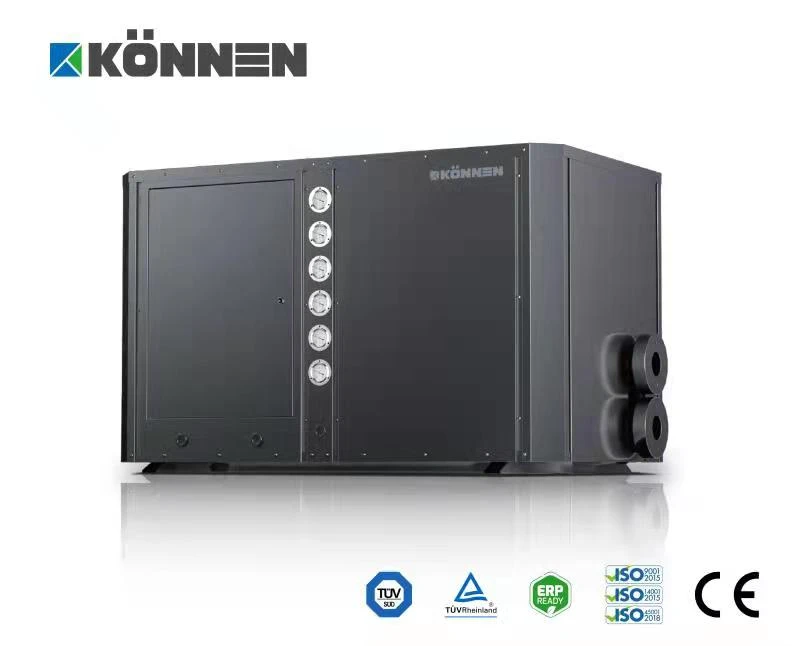

Another advantage of a high temperature water source heat pump in summer is its ability to provide hot water. Many heat pump systems are equipped with a desuperheater, which can capture the waste heat from the cooling process and use it to heat water. This not only reduces the energy consumption for water heating but also maximizes the overall efficiency of the system.
However, it's important to note that the performance of a water source heat pump in summer can be affected by factors such as the temperature of the water source, the size of the heat pump, and the load requirements of the building. Proper sizing and installation are crucial to ensure optimal performance and energy efficiency.
Autumn: Preparing for Winter
Autumn is a time of preparation, as the weather starts to cool down and the heating season approaches. High temperature water source heat pumps play a vital role in this transition, as they can start to prepare the building for the colder months ahead.
As the outdoor temperature drops, the heat pump can gradually increase its heating output to maintain a comfortable indoor temperature. The water source, which has been cooled by the summer months, provides a good source of heat for the heat pump to extract. This allows the heat pump to operate more efficiently and effectively, reducing the energy consumption and operating costs.
In addition to providing heating, a high temperature water source heat pump can also be used for preheating the building during the off-peak hours. This can help to reduce the peak demand for heating during the coldest part of the day, further improving the energy efficiency of the system.
Winter: Heating in the Cold
Winter is the most challenging season for heating, and high temperature water source heat pumps are designed to rise to the occasion. These systems are capable of providing reliable and efficient heating even in extremely cold temperatures, making them a popular choice for cold climates.
In winter, the heat pump extracts heat from the water source and transfers it to the indoor environment. The efficiency of the heat pump depends on the temperature of the water source, the size of the heat pump, and the insulation of the building. A well-designed and properly installed water source heat pump can achieve high COP values even in sub-zero temperatures.
One of the key advantages of a high temperature water source heat pump in winter is its ability to provide consistent heating. Unlike traditional heating systems, which may experience fluctuations in temperature, the heat pump can maintain a stable indoor temperature throughout the day. This not only improves the comfort of the building occupants but also reduces the energy consumption.
Another advantage of a water source heat pump in winter is its environmental friendliness. These systems use renewable energy from the water source, reducing the reliance on fossil fuels and minimizing the carbon footprint. This makes them a sustainable and eco-friendly choice for heating and cooling applications.
Conclusion
In conclusion, high temperature water source heat pumps offer a reliable and efficient solution for heating and cooling across different seasons. Their performance is influenced by a variety of factors, including the temperature of the water source, the size of the heat pump, and the load requirements of the building. However, with proper sizing, installation, and maintenance, these systems can provide significant energy savings and environmental benefits.
If you're considering a high temperature water source heat pump for your commercial or residential application, I encourage you to contact us to learn more about our products and services. Our team of experts can help you select the right system for your needs and ensure its optimal performance. You can also explore our Water To Water Heat Pump offerings for more options.
Let's work together to create a more sustainable and comfortable future with high temperature water source heat pumps.
References
- ASHRAE Handbook - HVAC Systems and Equipment
- International Ground Source Heat Pump Association (IGSHPA)
- U.S. Department of Energy (DOE) - Energy Efficiency and Renewable Energy